
As
an Asian country, feng shui is not a foreign concept in Singapore. Yet,
for those who aren’t too familiar with it, feng shui is a philosophical
system that revolves around the flow of energy, or chi, within a space.
On a small scale, it dictates the arrangement and orientation of furniture in a
room, while on a larger scale it governs the siting and design of entire
buildings.
As such, it is no surprise for newly wedded couples to be
especially concerned about feng shui. After all, you are looking forward
to moving in to your first home together, and the last thing you’d want is to
feel like your health, wealth and happiness are negatively affected by bad feng
shui.
Here, we highlight some feng shui tips for you to
take note of before embarking on a new chapter of your life with your spouse.
Choosing
a unit
It is believed that energy gathers in spaces nearer to the
ground, so buying a unit on higher levels is discouraged. A house with
irregular corners or too many walls and partitions are not recommended either,
as it disrupts the flow of the chi.
Each part of the house corresponds with an aspect of your
life, so irregular corners and slanted edges make it hard to optimise those
areas. If you have purchased a unit and realise only later that it has such
characteristics, one solution is to use mirrors to symbolically fill in and
visually expand the space.
Feng shui places
heavy emphasis on the front door; it is likened to a “mouth”, from which most
things enter the body. Similarly, the front door is where energy enters and
leaves the house. Your patio (or corridor) as well as the area immediately
behind the front door should be an open space free of clutter, as this is where
the chi gathers.
Ideally, your front door should not face a flight of steps
leading down, as energy will be drained to the ground floor. If your home has
this, placing a prosperity elephant with its trunk facing upwards at your
doorstep can minimise the downwards movement of the energy, and prevent it from
being lost. Having a front door that directly faces the elevator is also
discouraged, as it is reminiscent of a tiger opening its mouth to consume its
meal, and would cause disharmony, fights and accidents.
Lastly, while HDB flat dwellers may not necessarily
experience this situation, ensure that the front
door is not aligned with the back door, as this will cause
energy that enters to exit straightaway instead of flowing through the house.
Having a mirror opposite the front door is also frowned upon as it may cause
energy to bounce around and bring about unsettling disturbances in the family,
or push out the chi entirely.
Kitchen
Remember when we said that you should avoid units with
irregular corners? A similar idea applies to the cabinets in your kitchen. It
is recommended to have cabinets that touch the ceiling, lest the chi will get stuck in the empty space in between (not to mention that this would
attract dust!). If you face this problem, place some lighting, plants or other
decor to bring life to the space and transform the energy.
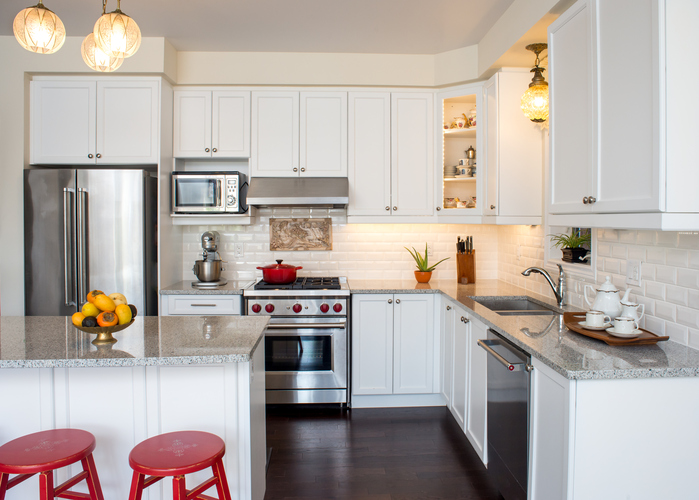
Feng shui also takes into account five elements: water, earth, wood, fire, and
metal. To avoid a clash between fire and water, keep the sink a good distance
away from the stove; doing so is believed to prevent health issues. Wrong
positioning of the stove can also bring about infertility, so you wouldn’t want
that either!
Colours
We don’t need feng
shui to know that the colours we use in our home can affect our mood, but feng
shui takes it a step further by associating colours with elements (e.g.
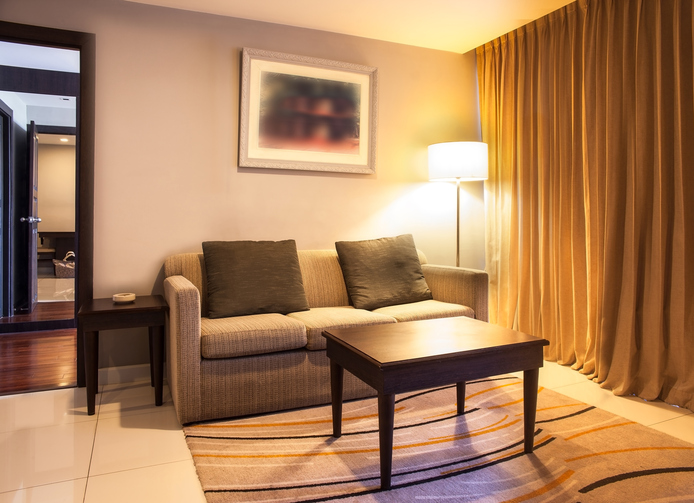
grey for metal) as well as yin and yang forces (cool colours for yin and warm colours for yang). The aim is to strike a balance between yin and yang, and you can achieve that by choosing warm colours for the living room, and cool colours for the kitchen (to counter the heat used during
cooking).
If you are not keen on the idea of painting entire walls
certain hues, bring colours into your home through art, furniture and other
homeware or decorative items. After all, it is most ideal to incorporate feng
shui seamlessly into your interior design so that guests would not be able
to tell that your home has been “feng shui-ed”.
Bedroom
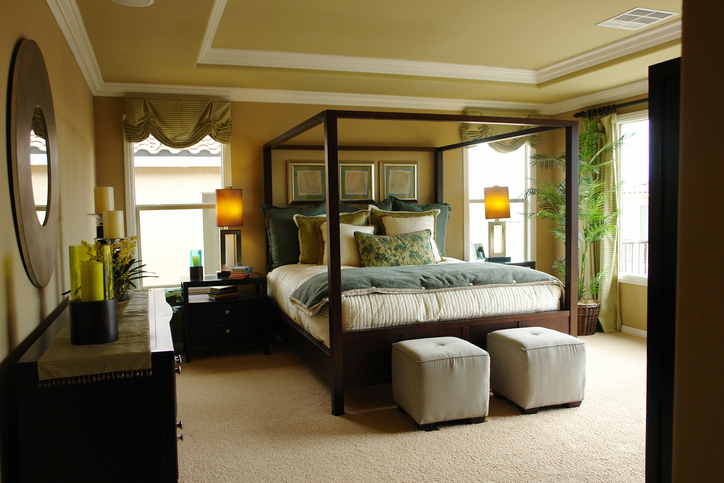
The bed is one of the most significant pieces of furniture in a house (wink wink). A feng shui master should be able to tell you the “commanding position” of your unit, which should guide your decision on where to place important furniture pieces like your bed. If you do not want to consult a feng shui specialist, the general rule of thumb is that the bed should face the door, but not be directly in line with it.
At the end of the day, if you are looking for a feng shui master to consult, keep in mind that there are different schools of feng shui. Feel free to consult more than one master to get a second (or third) opinion, and follow the guidance of the one whose tips resonate most with you. It is also wise to have a master come along with you during viewing sessions, as they can offer advice on whether or not the unit you are considering has good feng shui to begin with (before any renovation or furnishing is done). Doing so will ultimately save you the time and stress you’d put in to make up for a home with bad feng shui, and enable you and your spouse to immediately begin living together in wedded bliss!