

You’re finally adjusting to motherhood, and all seems to be
going well until you start to notice that… you’re dropping more hair than usual. Now before you freak out, don’t
worry.
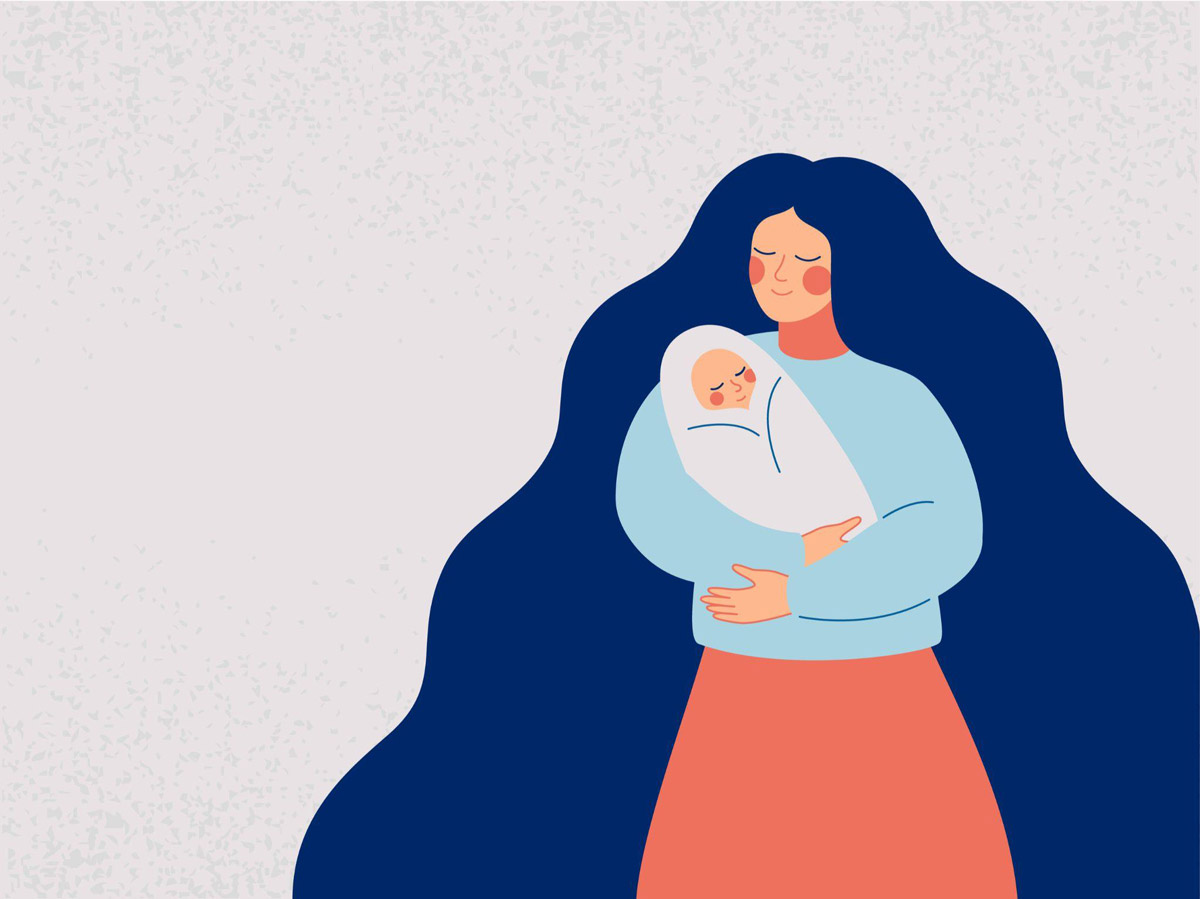
Postpartum hair loss is more common than you think. It’s a common, yet temporary,
occurrence among new mums so it’s definitely not a cause for concern!
Often referred to as excessive hair shedding by dermatologists,
postpartum hair loss affects most women a few months after delivering a baby.
While the stress from raising your newborn is a contributing factor, such
short-term hair loss is mainly attributed to fluctuating hormone levels.
Hormonal imbalance occurs after you give birth, and one of its side effects is
postpartum hair loss. During pregnancy, your oestrogen levels spike, prolonging
the growth phase (anagen) for your luscious locks.
Immediately after childbirth, your oestrogen levels will return to normal,
causing hairs to enter their shedding
phase (telogen) and result in larger amounts of hair fall.
This transitory period spans the course of six to 12 months. By then, your hormone levels will be back on
track, and your hair will return to its normal fullness, just in time for your
child’s first birthday!
However, if the excessive hair shedding during this period
bothers you, it’s alright; maybe our list of practical tips can help you manage
your postpartum hair loss better.
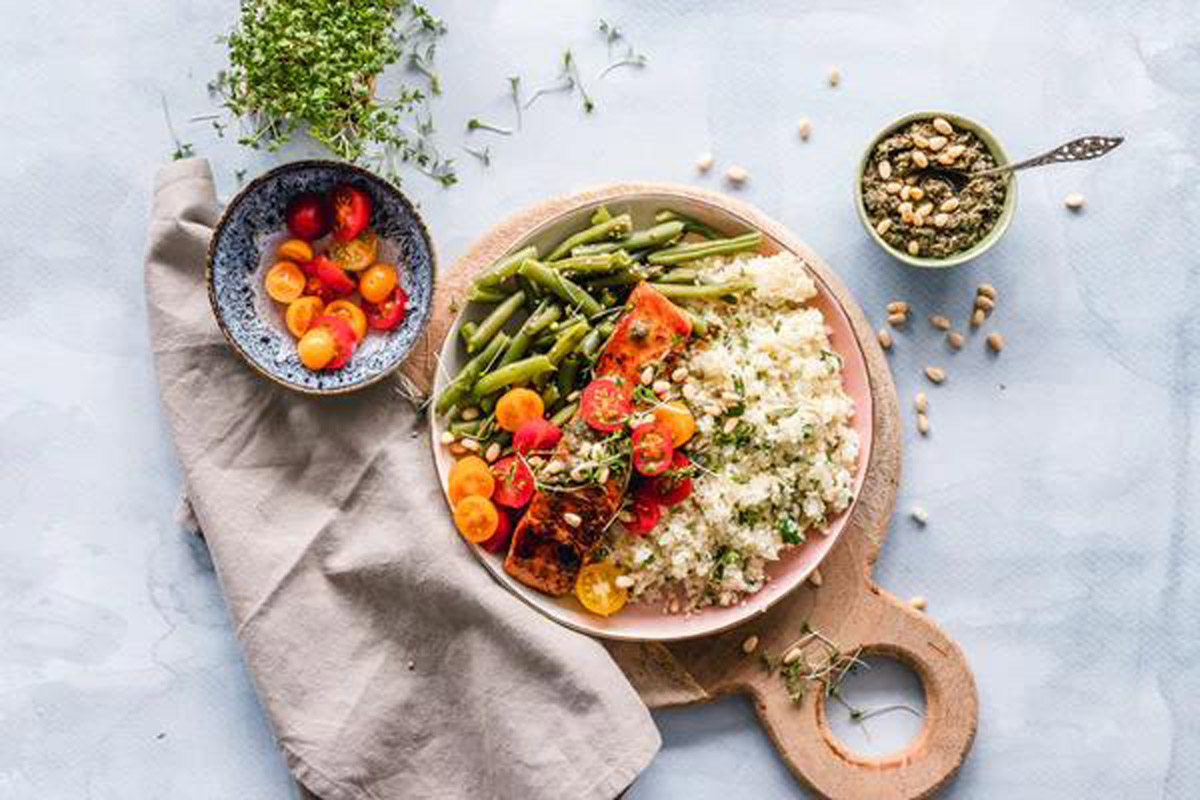
1. Maintain a Well-Balanced Diet
Source:
Ella Ollson on Unsplash
Maintaining a well-balanced diet is essential in aiding healthy
hair growth.
Although the hormonal changes contributing to postpartum hair
loss are inevitable, any nutritional deficiencies after childbirth can also
mess with your hair cycle. As your bodily systems struggle to rebalance after
pregnancy, your hair can be last on your body’s list of priorities to
nourish.
Consuming a healthy diet chock
full of fruits and vegetables will not only ensure your body gets all the
nutrients it requires but also helps with your hair growth.
You can also include proteins in your meals, such as eggs, fish,
and leafy vegetables. They are rich in
vitamin A which helps your body reduce
sebum production while exfoliating your scalp — preventing further hair
loss.
2. Consider Purchasing Dietary Supplements
With the arrival of a new baby, as a new mum, you might not have
the luxury of time to prepare home-cooked, balanced meals for yourself daily.
What’s more, if you’re breastfeeding, you’ll require a higher
intake of nutrients as compared to your pre-pregnancy days! This means
that without a balanced, nutritious diet, you won’t be getting the adequate
nutrition your body needs. This advertently impacts your overall health and
hair growth.
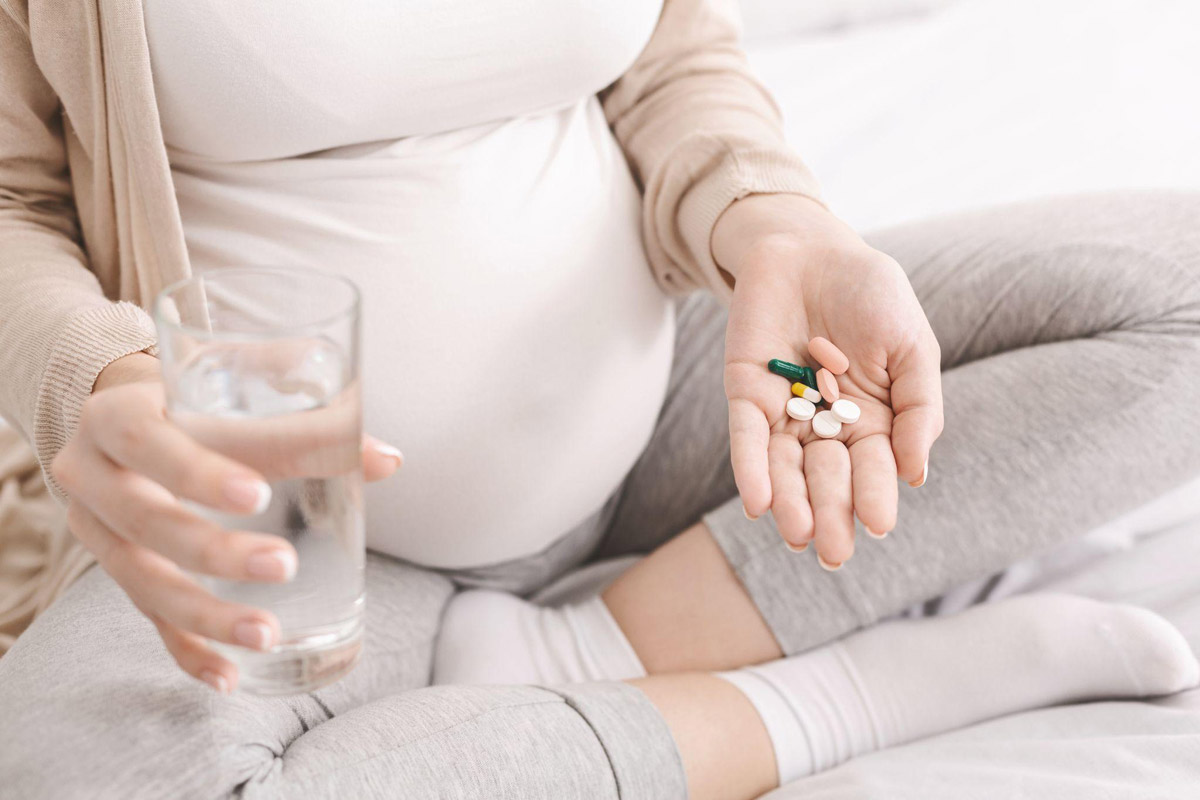
While dietary supplements are not substitutes for a varied diet, they can provide the extra
dosage of nutrients that you otherwise lack. Most new mums often opt for
vitamins rich in Biotin, Zinc, and Vitamin D – all of which are targeted towards hair growth and
repair.
However, before purchasing any supplements off the shelf, it
would be good to reach out to a trusted doctor or dietitian to ensure that the
vitamins you have in mind don’t clash with your current postnatal
medications.
3. Minimise Your Stress Levels
Stress plays a role in causing postpartum hair loss. This is because
the stress hormone, namely cortisol,
affects the function and cyclic regulation of your hair follicles!
When you’re stressed out — which you may experience while working
hard to satisfy the demands of your newborn — cortisol dysregulation disrupts normal transitions of your hair
growth cycle by prematurely shortening the growth period for your hair, causing
increased hair fall.
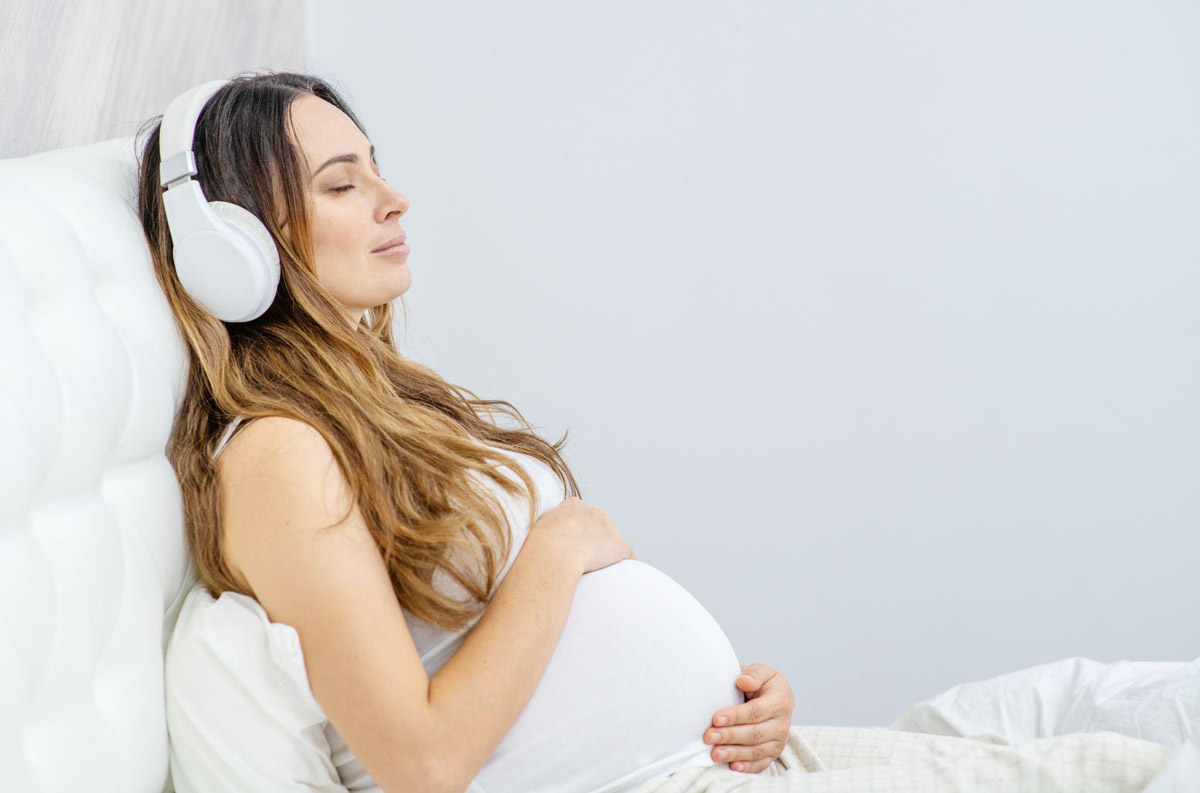
However, actively taking steps to reduce your stress levels can regulate
your hormonal imbalances! For example, practising relaxation techniques like meditation, breathing exercises, or mindfulness helps you relax and find
peace of mind.
Alternatively, you may also squeeze in time to partake in
activities and hobbies and reinvigorate that passion again!
4. Switch Up Your Hairstyle for Shorter Locks
Source: Xavier Mouton Photographie on Unsplash
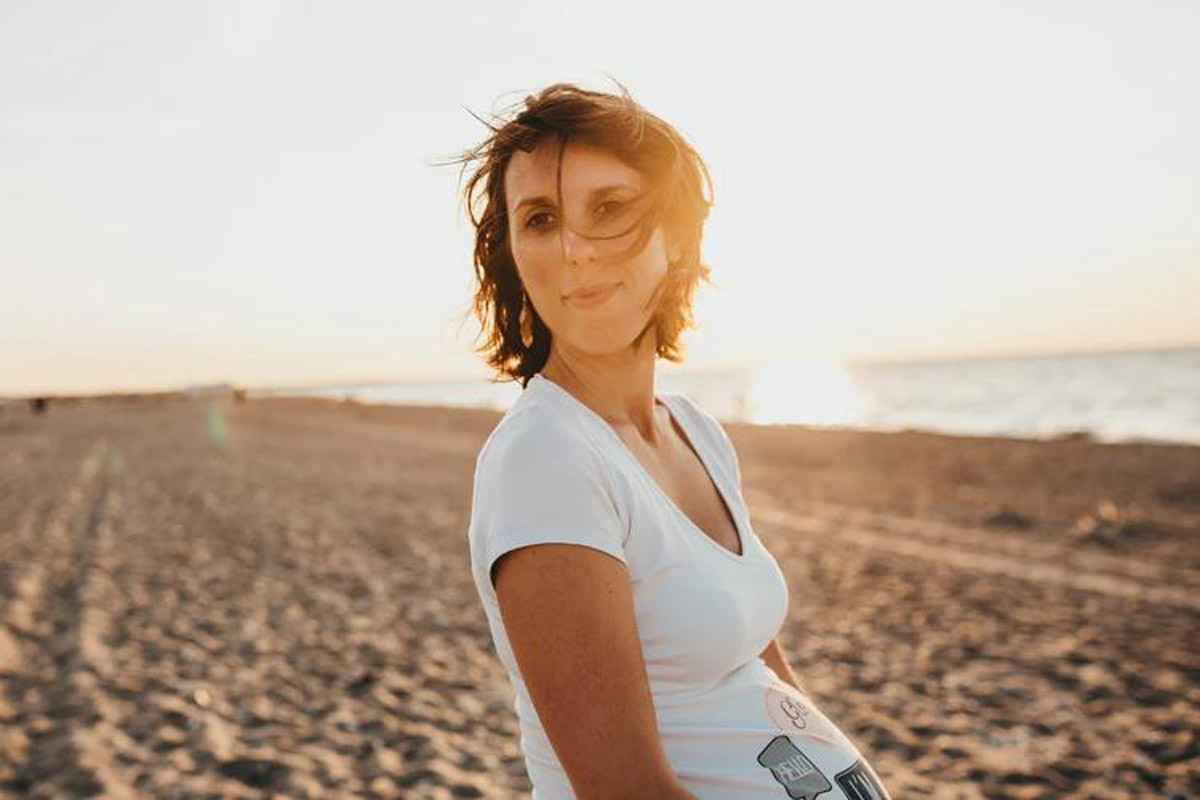
New mum, new you! To celebrate the beginning of a brand new
future with your little one, why not opt for a trendy bob and playful bangs?
With shorter locks, you’ll find that managing your new breezy
hairstyle is a hassle-free experience that requires lesser maintenance and
aftercare.
Besides, rocking a shorter cut comes with its perks. For
instance, shorter hair can be conveniently styled to hide thinning hair!
Additionally, with lesser strain on your hair follicles, your hair will be less
susceptible to breakage.
Going for frequent trims at your salon can also create the
illusion of fuller, healthier tresses as it removes old, damaged strands of
hair.
Hair Grows Back
Although looking after your newborn has become your number one
priority, it’s also imperative that you take proper care of yourself during
this challenging postpartum period.
By nourishing your body with sufficient nutrients, a
well-balanced diet, and more, both your mental and physical health will improve.
Moreover, your postpartum hair loss struggles will be resolved quickly,
too!
If you’re currently experiencing postpartum hair loss, don’t be
alarmed or over-worry. We understand that this new circumstance is unnerving
and undesirable but at the end of the day, this excessive hair shedding is only temporary.
So long as you follow our recommended tips, your locks will be
back to the way they were pre-pregnancy by the time your baby blows out the
candles on his/her first birthday!
Disclaimer: If these tips aren’t helping much, please do consult a medical
professional for help. There might be other underlying causes impacting your
hair re-growth so you should definitely seek assistance from your doctor.